Every year, hundreds of workers are injured—or worse—during equipment servicing. The culprit? Unexpected startup of machinery during maintenance. Lockout locks and tags are not just tools—they’re the frontline defense in energy control. When applied correctly, they isolate hazardous energy sources and prevent accidental activation. Ignored or misused, they become a false sense of security. The difference lies in proper implementation, training, and consistency.
Lockout-tagout (LOTO) procedures are mandated by OSHA for a reason: they save lives. Lockout locks physically secure energy-isolating devices, while tags communicate critical warnings. Together, they form a system that protects maintenance technicians, electricians, and machine operators across industries—from manufacturing and utilities to construction and food processing.
What Are Lockout Locks and Tags?
At its core, a lockout lock is a physical lock used to prevent the release of hazardous energy. These are typically padlocks, but can include valve locks, circuit breaker locks, or plug locks, depending on the energy source. They are applied by authorized employees to energy-isolating devices such as disconnect switches, valves, or circuit breakers.
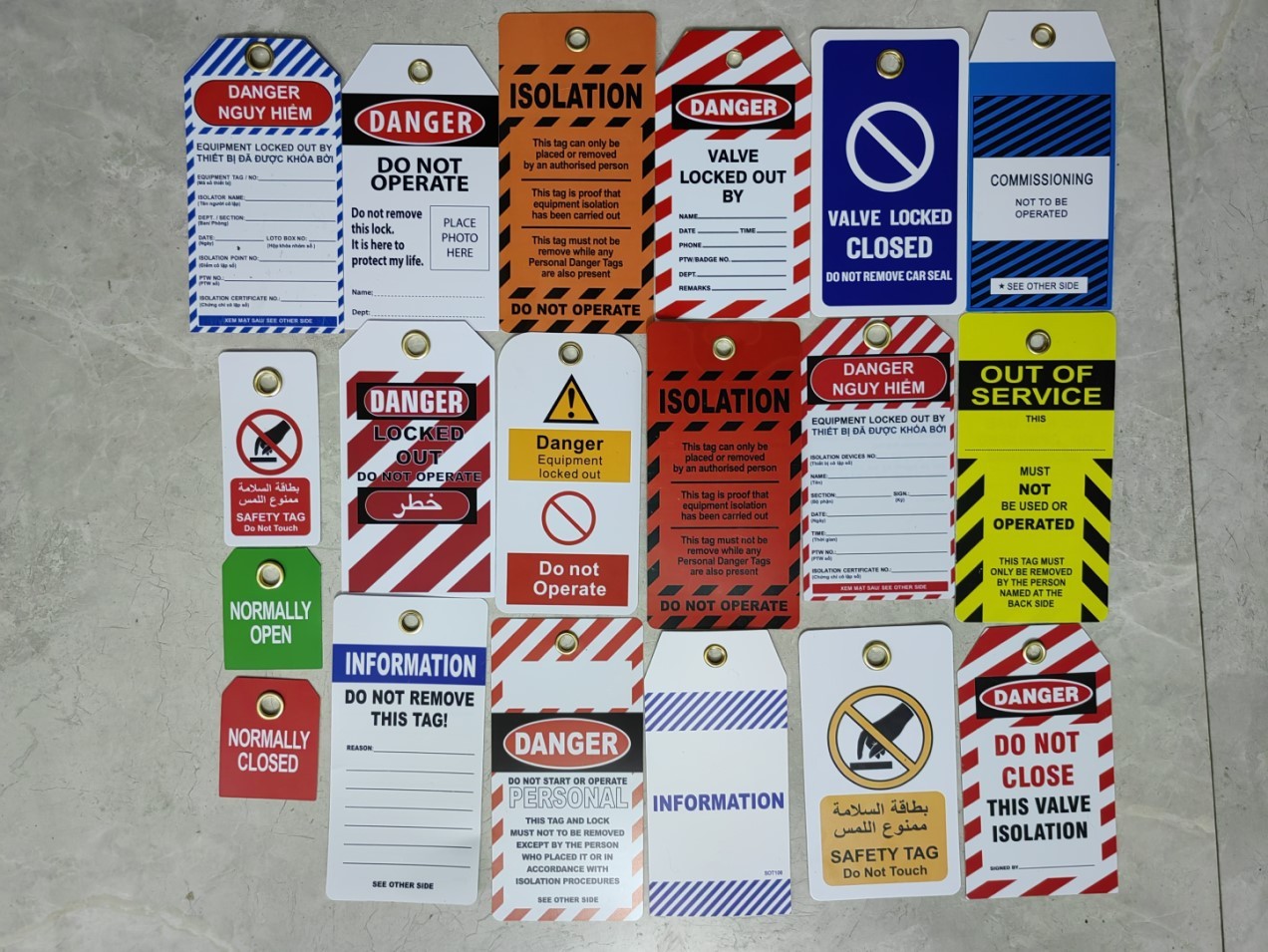
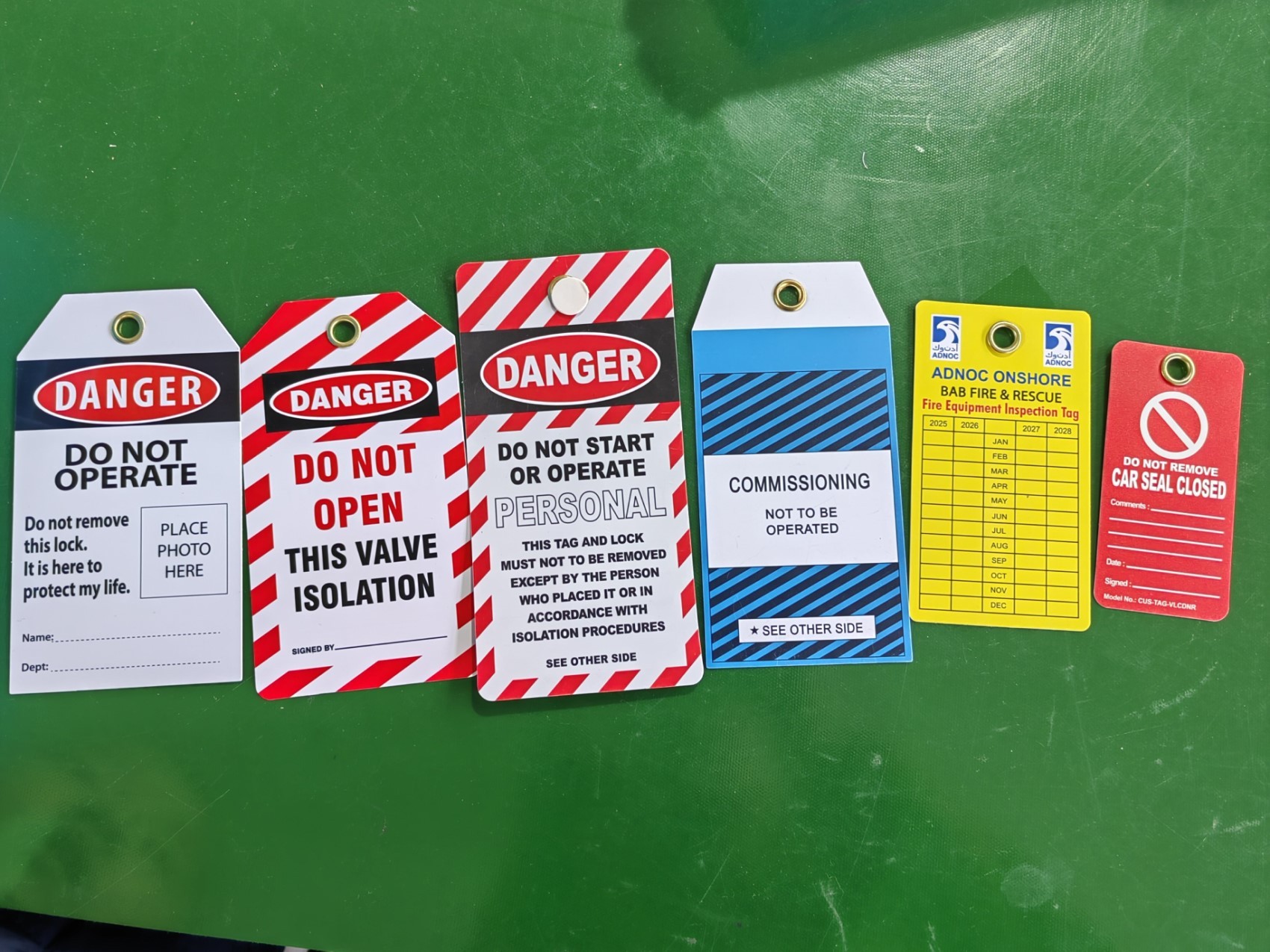
Lockout tags, on the other hand, are warning labels attached to the lock or device. They contain essential information: - Name of the authorized employee - Date and time of lockout - Reason for isolation - Department or team involved
While locks enforce physical control, tags add a communication layer. OSHA Regulation 1910.147 requires that tags include a message such as “Do Not Start,” “Do Not Operate,” or “Do Not Energize.”
Critical Insight: A tag without a lock provides no physical restraint. Tag-only procedures are permitted only in specific cases where the employer can prove the tag provides equivalent protection. In most industrial settings, a lock is required.
Why Lockout Locks and Tags Are Non-Negotiable
The consequences of skipping LOTO are severe. Consider these real-world scenarios:
- A technician begins cleaning a conveyor belt. A coworker, unaware, restarts the motor. The result: entanglement and life-altering injuries.
- An electrician works on a live panel. A supervisor re-energizes the circuit remotely. Electrocution occurs in seconds.
These aren’t hypotheticals. They’re preventable tragedies logged by OSHA. According to their data, nearly 10% of all serious accidents in manufacturing involve uncontrolled energy.
Lockout locks and tags eliminate this risk by: - Physically blocking access to energy controls - Clearly signaling danger through standardized tags - Holding individuals accountable via personal locks and identification
Without this system, even well-trained teams operate on trust—not protocol. Trust fails. Systems endure.
Common Mistakes That Undermine Lockout Safety
Even workplaces with LOTO programs make critical errors. These mistakes turn compliance into theater:
1. Using Master or Group Locks for Individual Isolation A single lock used by multiple people defeats the purpose. Each worker must apply their own lock. If five technicians are working on a machine, five locks must be present. Removal requires each individual to unlock personally—never delegated.
2. Tagging Without Locking Tags alone do not isolate energy. A worker might see a tag and assume it’s “just a warning,” not a control. OSHA allows tag-only systems only when: - The tag provides a level of safety equal to a lock - The employer can prove employee understanding and compliance - There is no risk of accidental energization
In practice, this is rare. Locks should always be used when feasible.
3. Sharing Lockout Keys or Using “Emergency” Overrides Keys to lockout locks must never be shared. If a worker is unavailable, a formal removal procedure—not a spare key—must be followed. Unauthorized overrides, even with good intentions, violate OSHA standards and create liability.
4. Failing to Isolate All Energy Sources Machines often have multiple energy types: electrical, pneumatic, hydraulic, thermal, or gravitational. A common oversight is locking the main power switch but ignoring a pressurized air line. Full hazard assessment is required before any work begins.
5. Poor Tag Quality or Missing Information Faded, handwritten, or incomplete tags reduce credibility. Tags must be durable, tamper-resistant, and contain all required fields. Pre-printed, standardized tags increase clarity and accountability.
Effective LOTO isn’t just about hardware—it’s about procedure. Follow this OSHA-aligned workflow:
Step 1: Prepare for Shutdown Identify all energy sources and isolation points. Review equipment-specific LOTO procedures. Gather necessary locks, tags, and tools.
Step 2: Notify Affected Personnel Alert all operators and nearby workers that maintenance is beginning. Communication prevents accidental intervention.
Step 3: Shut Down Equipment Use normal stopping procedures. Ensure machines are fully powered down.
Step 4: Isolate Energy Sources Close valves, open disconnects, block moving parts. Apply lockout locks to each isolating device.
Step 5: Apply Locks and Tags Each authorized worker applies their personal lock and tag. Use standardized tag formats.
Step 6: Release Stored Energy Bleed pressure, drain fluids, discharge capacitors. Verify zero energy state with testing instruments.
Step 7: Verify Isolation Attempt to start the machine using normal controls. Ensure it does not start. Return controls to “Off” position.
Step 8: Perform Maintenance Only now should work begin.
Step 9: Remove Locks and Restore Operation After work completion:
- Confirm all tools are removed
- Notify all personnel
- Each worker removes their own lock
- Re-energize equipment systematically
Pro Tip: Use lockout hasps for group lockout. A hasp allows multiple locks to be applied to a single isolation point. Each technician adds their lock. The machine cannot restart until every lock is removed.
Choosing the Right Lockout Locks and Tags
Not all locks and tags are created equal. Selecting the right tools depends on your environment and risks.
Lock Types by Application
| Type | Best For | Material | Key Features |
|---|---|---|---|
| Padlocks | Electrical panels, disconnects | Steel or nylon | Weather-resistant, 1–2 inch shackles |
| Valve Locks | Ball, gate, or butterfly valves | Polypropylene | Adjustable clamps, universal fit |
| Circuit Breaker Locks | Breaker panels | Reinforced polymer | Prevent toggle movement, color-coded |
| Plug Locks | Electrical cords | Durable plastic | Fits standard plugs, tamper-proof |
| Beam Locks | Large disconnects | Steel | High leverage, secure clamp design |
Tag Considerations
- Durability: Use tear-resistant, weatherproof tags in harsh environments
- Visibility: Bright red or orange with bold text
- Standardization: Pre-printed fields to reduce errors
- Language: Multilingual tags if needed, but primary language must be understood by all |
Reality Check: Cheap locks with weak shackles or flimsy tags compromise safety. Invest in quality. A $10 lock preventing a $1M injury is a bargain.
Industry-Specific Use Cases
Manufacturing Plant A CNC machine requires blade replacement. Three technicians isolate:
- Main power disconnect (padlock)
- Hydraulic pressure line (valve lock)
- Pneumatic feed system (plug lock)
- Each applies their lock and tag. Stored pressure is bled. Machine is tested for zero energy. Work proceeds safely.
Utility Substation An electrician services a transformer. Lockout is applied to:
- High-voltage disconnect switch
- Remote control circuit
- Backup generator feed
Tags include “High Voltage – Do Not Energize” and technician ID. Only after all locks are removed is power restored.
Food Processing Facility A mixer needs cleaning. Gravity and residual motion are risks. Lockout includes: - Main motor disconnect - Locking the mixing arm in neutral position - Tag noting “Cleaning in Progress” Without proper lockout, residual motion or restart could crush limbs.
Training and Compliance: Beyond the Hardware
Lockout locks and tags are useless without proper training. OSHA requires: - Authorized employees (those performing maintenance) to be trained in LOTO procedures - Affected employees (machine operators) to understand the purpose and do not bypass locks
Training must be: - Initial and recurring (at least annually) - Equipment-specific - Documented with sign-offs
Additionally, an annual audit of LOTO procedures is required. This includes: - Reviewing written procedures - Observing actual lockout applications - Correcting gaps in practice
Audit Red Flags: - Blank or missing tags - Missing locks on isolation points - Workers bypassing locks “just this once” - No personal lock assigned to individual
Fix these immediately. They’re not minor oversights—they’re liability magnets.
Final Thoughts: Safety Is a System, Not a Shortcut
Lockout locks and tags are simple in concept but profound in impact. They transform maintenance from a gamble into a controlled process. But their power depends on consistency, quality, and culture.
Don’t treat LOTO as a box to check. Design procedures that reflect real workflows. Use durable, appropriate locks. Train rigorously. Audit frequently. Empower every worker to stop a job if locks or tags are missing.
When a technician sees a lock on a disconnect, they should know: someone’s safety depends on it staying there. That’s not compliance. That’s responsibility.
Frequently Asked Questions
What’s the difference between a lockout lock and a tag? A lockout lock physically prevents equipment activation; a tag provides a warning and identifies the person who applied the lock.
Can I use a tag without a lock? Only in rare cases where a lock can’t be used and the tag provides equivalent safety. Most situations require a physical lock.
Who can remove a lockout lock? Only the authorized employee who applied it. Exceptions require a formal, documented removal process.
Are lockout locks keyed alike? No. Personal locks should be unique to each worker. Group locks (e.g., for supervisors) may be keyed alike but are used differently.
What materials should lockout locks be made of? Use non-conductive materials like nylon for electrical work; steel for high-abuse areas. Environment matters.
How often should LOTO procedures be reviewed? Annually, or whenever equipment changes, processes shift, or an incident occurs.
Do all machines need lockout procedures? Yes, if they have hazardous energy sources and require servicing where unexpected startup could cause injury.
FAQ
What should you look for in Lockout Locks and Tags: The Ultimate Safety Guide for Compliance? Focus on relevance, practical value, and how well the solution matches real user intent.
Is Lockout Locks and Tags: The Ultimate Safety Guide for Compliance suitable for beginners? That depends on the workflow, but a clear step-by-step approach usually makes it easier to start.
How do you compare options around Lockout Locks and Tags: The Ultimate Safety Guide for Compliance? Compare features, trust signals, limitations, pricing, and ease of implementation.
What mistakes should you avoid? Avoid generic choices, weak validation, and decisions based only on marketing claims.
What is the next best step? Shortlist the most relevant options, validate them quickly, and refine from real-world results.